01
Rooted in faith
Every meeting is grounded in tawakkul, tawbah, and the mercy at the centre of our deen — not in spite of the program, but as its engine.
Muslim Recovery Anonymous
A fellowship for Muslims seeking freedom from addiction — grounded in the twelve steps, guided by our deen.
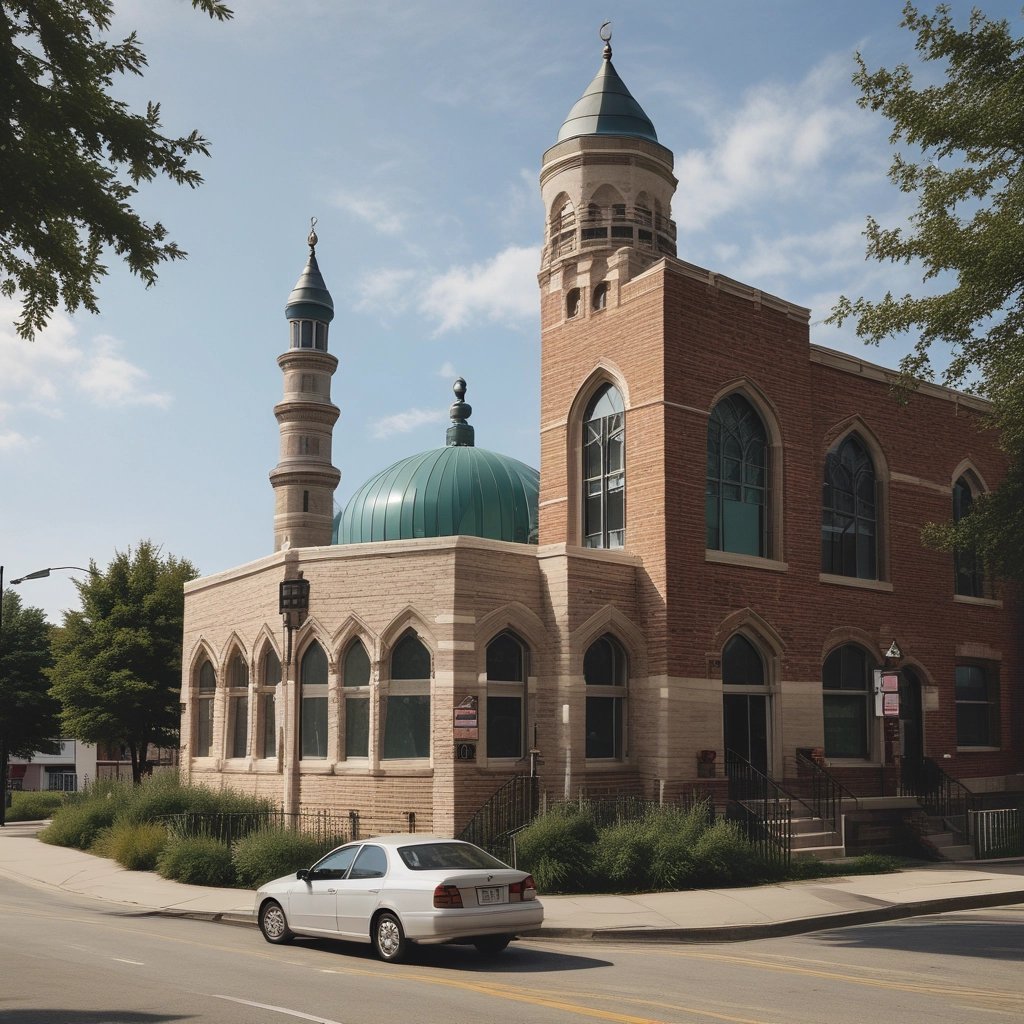
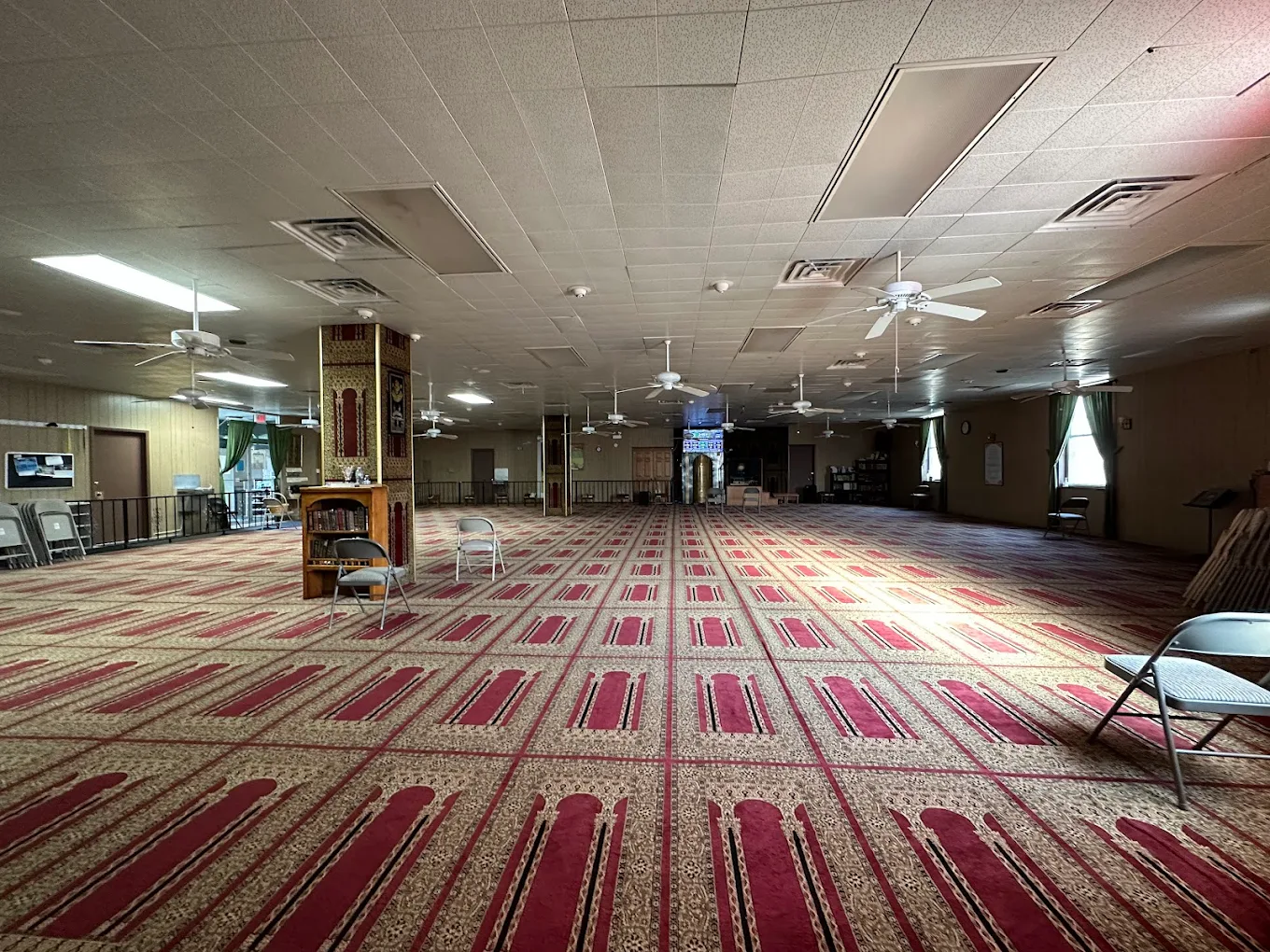
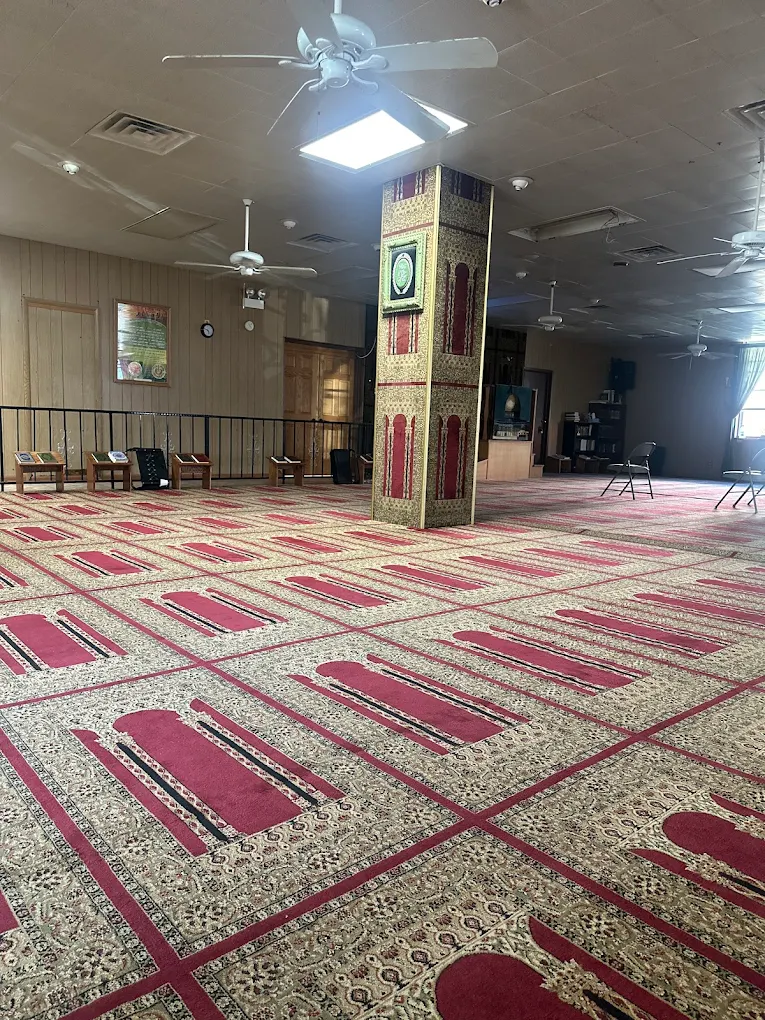
Where we meet
Our meeting is held each Friday evening, in a room the mosque generously makes available to us.
It is a medical condition that affects people across all walks of life, including the most devout. Yet too often in our communities, those struggling with substance use are met with silence, shame, or judgement instead of the mercy our faith calls us to embody.
We believe healing begins where stigma ends. Our meetings are rooted in compassion, not condemnation — a place to be honest, vulnerable, and human.
You are not alone, and your story is welcome here.
Every meeting is grounded in tawakkul, tawbah, and the mercy at the centre of our deen — not in spite of the program, but as its engine.
Addiction is treated as the medical condition it is, not as a moral failure. The twelve-step framework is the most studied mutual-help approach in recovery — and our meetings are peer support, never a substitute for treatment.
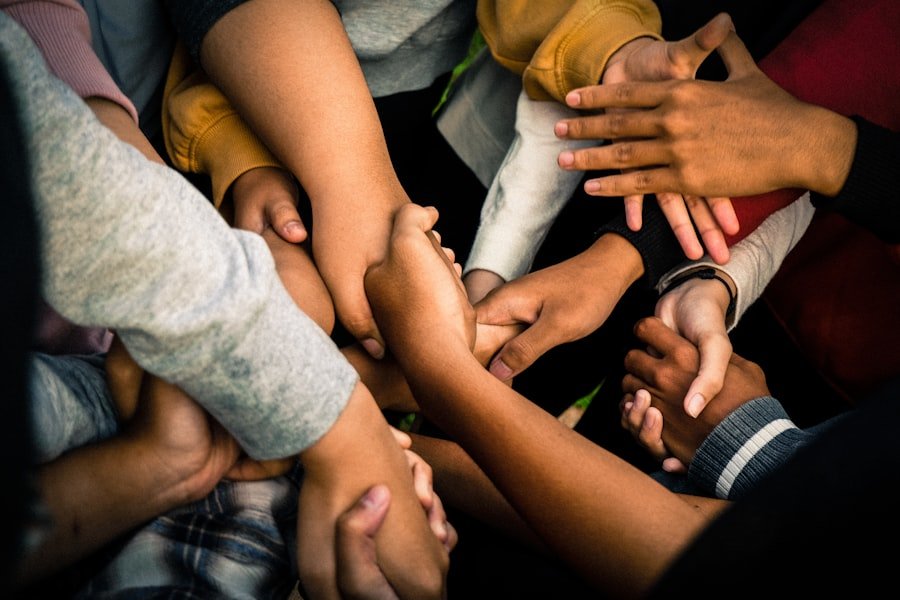
No registration. No attendance records. No names required. What is said in the room stays in the room, within the few limits the law places on all of us — which we set out plainly rather than bury.
The Program
Inspired by Millati Islami's adaptation of the twelve-step model. The framework is the one proven over decades — the language is our own.
Muslim Recovery Anonymous is a peer recovery fellowship for people recovering from addiction. It is not a medical service, and a meeting is not a consultation.
Meetings are a place to speak about your own experience. Sharing something personal about your own recovery — including what has and hasn't worked for you — is the heart of what we do. Giving or seeking medical advice about someone else's care is a different thing, and it is not what these rooms are for.
Nothing said in a meeting, and nothing on this website, creates a doctor–patient relationship or replaces care from your own clinician. Our facilitator attends as a peer facilitator, not as your physician.
You are welcome here, and you are in recovery. If you take buprenorphine, methadone, naltrexone, or anything else prescribed as part of your treatment, no one at MRA will ask you to reduce or stop it. You will not be asked to justify it.
Muslim Recovery Anonymous is not a medical or treatment organisation. We do not diagnose, prescribe, dispense or manage medication, and we do not advise anyone to begin or stop any treatment. Those decisions rest with you and your prescriber alone.
Urgent help
Our meetings are once a week. If you are in danger, or you cannot wait until Friday, these lines are open every hour of every day. They are free, and you do not have to give your name.
988 Suicide & Crisis Lifeline
SAMHSA National Helpline
Illinois Helpline
Emergency services
No registration. No names required. No cost, ever.
Every Friday · 7:00 – 8:00 PM Central
Masjid Al-Muhajireen